

The charm of New Orleans homes is in the details, and millwork is one of the most defining features. This handcrafted woodwork frames doors and windows, wraps porches, and adds subtle, or sometimes dramatic, charm to every room. In historic homes across the city, millwork is everywhere. But it isn’t just a finishing touch; it’s part of the storytelling, revealing the building’s age, craftsmanship, and even the people who lived there.
In this post, we’ll take a closer look at what millwork is, how it differs across architectural styles, and what to keep in mind when restoring or designing millwork for your historic home.
What Is Millwork?
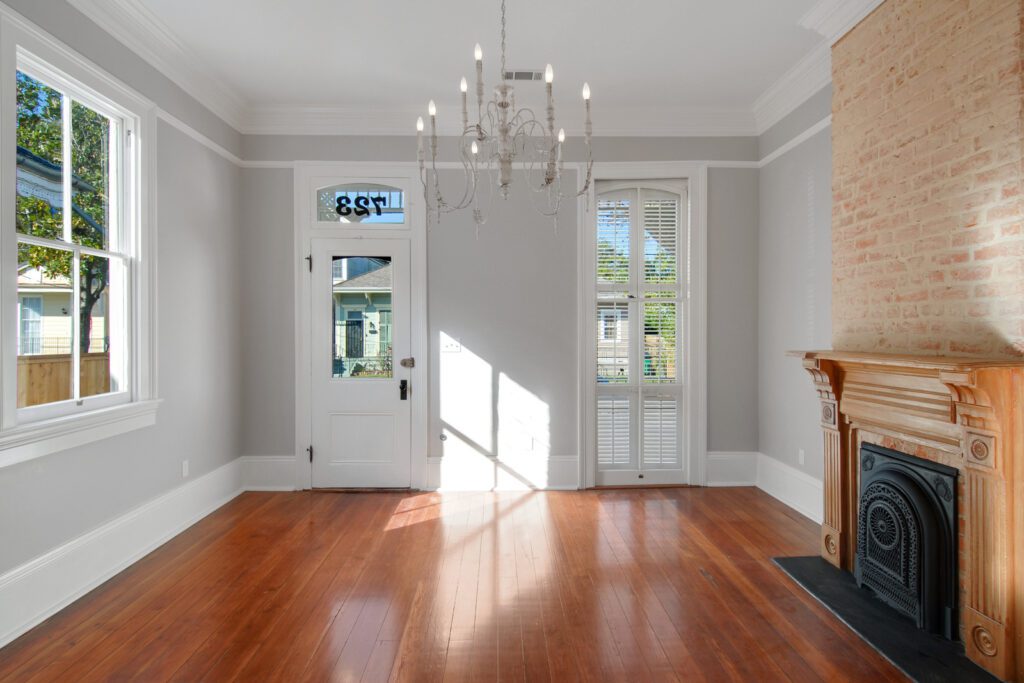
Millwork refers to any wood element in a building that’s been milled or shaped for architectural use. It includes both functional and decorative features inside and outside the home. Here are some of the most common examples found throughout New Orleans:

Crown Molding
Crown molding gives rooms a finished appearance and helps signal a home’s level of formality. In grander homes, it might consist of built-up profiles and classical motifs; in simpler homes, it may be a slim profile or even absent entirely.

Baseboards
These protect the bottom of plaster walls while creating a crisp transition between wall and floor. Historic baseboards are typically taller and more detailed than their modern counterparts, and can range from simple to multi-layered profiles.

Door and Window Casings
Casings frame the openings and integrate them into the wall. Many historic homes feature additional details like backband moldings, rosettes, or plinth blocks that add depth and style to windows and doors.

Cased Openings
Often found between parlors or common rooms, these framed transitions can be square or arched and may include paneling, pilasters, or even lacework, depending on the style and era of the home.

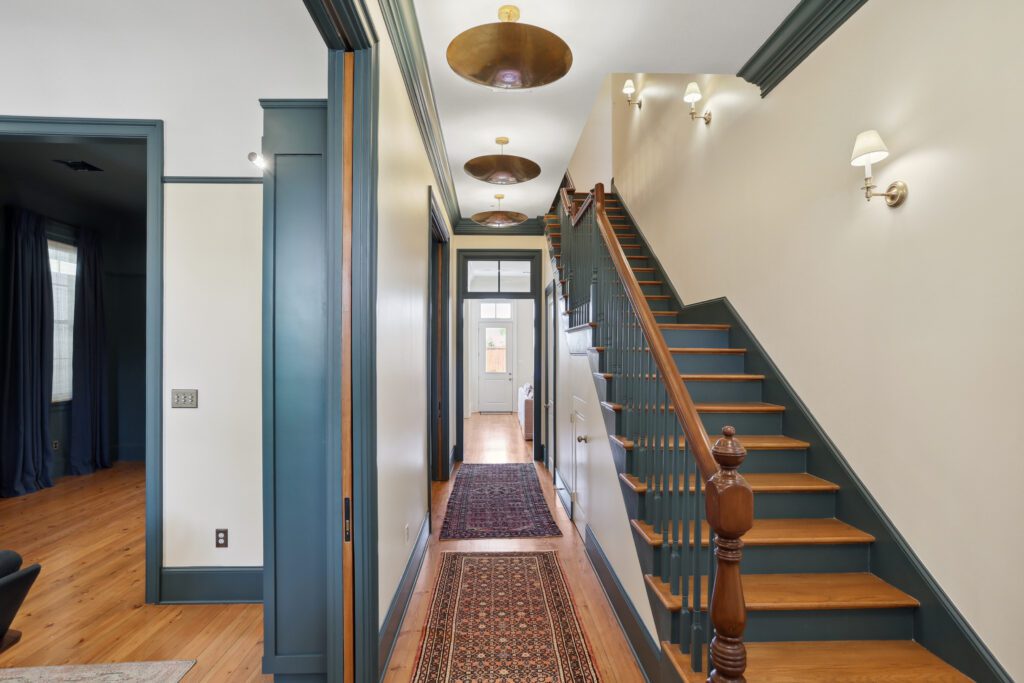
Stair Elements
Turned newel posts, carved railings, and ornate balusters were a showcase of craftsmanship. Even in simpler homes, boxed-in stairs or modest handrails were thoughtfully proportioned and often crafted from richly grained woods like cypress or pine, adding warmth and character without relying on ornament alone.

Fireplace Mantels
A focal point in many historic homes, mantels often reflect the architectural style of the house. From simple surrounds to intricate Victorian designs with overmantels, shelves, and even mirrors or inlays, these are some of the most recognizable examples of period millwork.

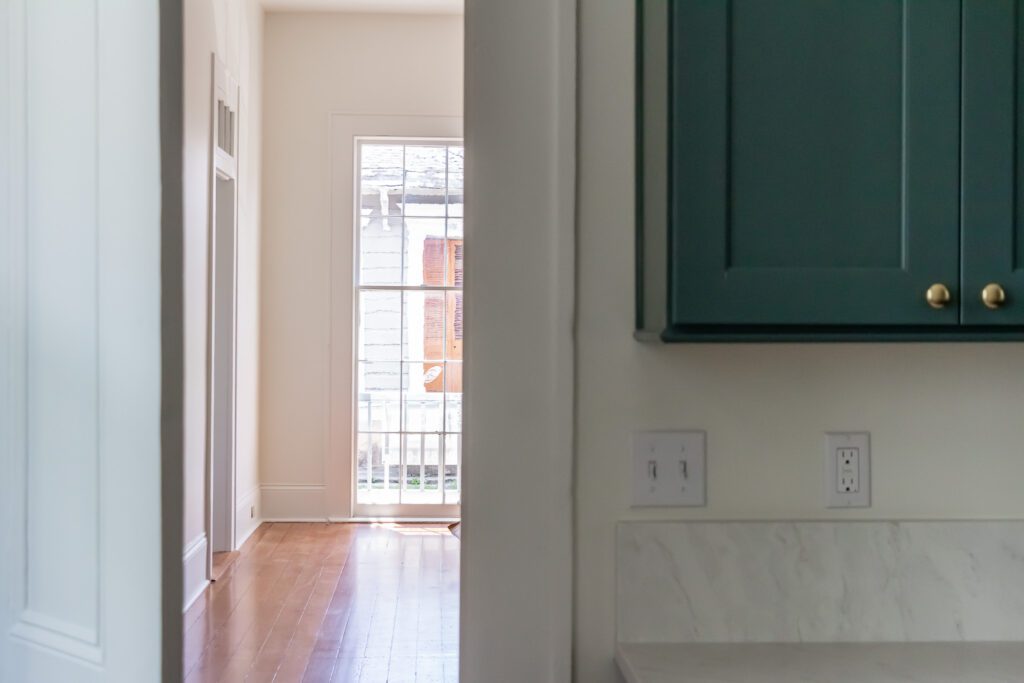
Built-Ins and Cabinetry
Custom elements like bookcases, linen closets, or butler’s pantries are common in many historic homes. Often designed to reflect the same craftsmanship as the surrounding millwork, with paneled doors, hand crafted hardware, and thoughtful proportions.
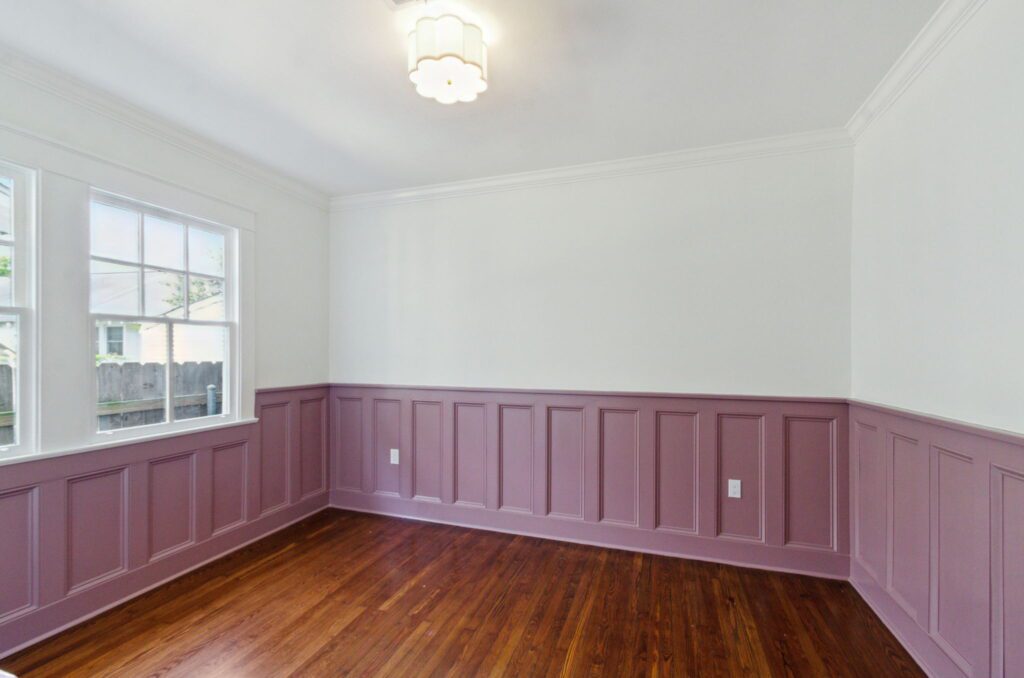
Wainscoting and Chair Rails
Protective paneling such as beadboard or raised boards adds durability and visual interest. Chair rails cap the top of the wainscoting and add a clear division of scale on the wall while adding additional decorative detailing.

Picture Rails
These narrow moldings run below the ceiling, typically about 8-12 inches, and feature a small groove or lip that allows hooks to rest securely over the rail to hang art without damaging the plaster walls. Beyond function, picture rails add a subtle horizontal detail that helps define a room’s proportions and vertical emphasis.

Shutters
Exterior shutters were originally built to be functional, offering ventilation, light control, and hurricane protection. Louvered, paneled, or board-and-batten shutters vary by house style and age, and proper proportions are key when replacing or restoring them.

Door and Window Cornices
Often seen above front doors and street-facing windows, cornices shed water and add architectural impact to the façade. Styles range from bracketed Italianate versions to understated stacked moldings on shotgun houses and cottages.

Porch Posts and Trimwork
Porch millwork includes posts, brackets, and decorative trim that frame and define the entry to a home. Posts may be turned, chamfered, or square, while brackets, spandrels, and lace-like gingerbread add depth and ornament. These details range from simple and understated to highly intricate, often showcasing the hand-cut precision and creativity of local millworkers.

Transoms, Windows, and Sidelight Frames
Though the old wavy glass may steal the spotlight, the wood framing around transoms, windows, and sidelights is millwork too. These elements often feature fine molding profiles that add subtle richness and help define the hierarchy of a home’s entry. Window mullions and casings also vary by period and style, with detailing that reflects the craftsmanship and construction techniques of the time.
Millwork Across Architectural Styles
Millwork varies not only by era, but by neighborhood, cultural influence, and home type. Here’s how it often appears in different kinds of New Orleans architecture:
Creole Cottages & Shotgun Homes
- Minimalist baseboards and simple trim, sometimes only having picture rail moldings in lieu of crown molding
- Beadboard wainscoting in kitchens and baths
- Flat or simple backband casings and modest mantels
- Functional shutters and transoms used for airflow
These homes, often built by working-class residents or free people of color, focused on function over formality. However restrained the millwork may be, it was still crafted with care.
Townhouses & Raised Center Hall Homes
- Tall baseboards and multi-part crown molding
- Stacked door and window casings, often with entablatures or cornices
- Transoms and sidelights framed with finely detailed trim
These homes share a formal interior layout and stylistic refinement. Emphasis on symmetry and proportion, and millwork that reflects classical influences but adapted for the local climate and materials. The elegant trim profiles and thoughtful transitions between rooms create a strong sense of verticality in the moldings and casings.
Victorian & Queen Anne Homes
- Elaborate porch detailing: gingerbread, friezes, drop finials, and scrollwork
- Paneled wainscoting, ornate mantels, and decorative stair parts
- Built-ins and trim that tie rooms together with function and flair
These homes celebrated ornament and whimsy, with millwork that often acted as a visual flourish across interiors and exteriors.
Greek Revival & Italianate Homes
- Prominent door and window surrounds with classical detailing
- Deep cornices and multi-part moldings at crown and base
- Classical pilasters, entablatures, and substantial mantels
These styles brought a formal architectural language to residential buildings, often using millwork to mimic the grandeur of stone construction. Millwork in these homes is used to define architectural rhythm and hierarchy, from entryways to interior transitions.
Preserving, Repairing, and Restoring Millwork
Original millwork is one of the most valuable and distinctive features of a historic home. But after a century or more of wear, these intricate details are often in need of some TLC. Whether you’re working with rotting porch trim, damaged mantel pieces, or missing molding, there are thoughtful ways to preserve what’s left, restore what’s possible, and replace what’s missing without compromising your home’s historic character.
Preservation & Restoration
The best approach is often the simplest: preserve what you have. Much of the millwork in New Orleans homes was made from durable, old-growth cypress or pine, and with a little care and attention, can last well beyond another hundred years.
Here are a few ways to maintain and restore what you already have:
- Clean gently. Use a mild cleaner and a soft cloth or brush to remove dirt or buildup. Avoid harsh scrubbing or sanding, which can damage delicate details.
- Reattach loose pieces. One of the best things you can do to preserve original millwork is to make sure it’s properly secured. Trim that’s pulling away from the wall or showing gaps should be carefully reattached using wood glue or appropriate fasteners.
- Repair small areas. For minor rot or damage, consider patching with wood epoxy or using a dutchman repair—a technique where a piece of new wood is grafted into the damaged area to retain as much of the original profile as possible.
- Scrape and seal. If paint is flaking or cracking, gently scrape away any loose pieces, and sand smooth. Seal joints and transitions with caulk or filler, then repaint with a breathable paint that protects the wood without trapping moisture. Finishes that allow the wood to expand and contract naturally help extend its life.
- Refinish carefully. When stripping paint or varnish, use gentle methods like low-heat tools or wood-safe chemical strippers. Avoid sandblasting or pressure-washing, especially on delicate pieces as it can remove the detail.
Interior millwork like crown molding or door casings often just needs securing, cleaning, and repainting. Exterior trim, especially on porches or around windows, may need more structural reinforcement and repairs due to constant weather exposure.
In any case, restoration work should be approached with a light touch and a deep respect for the original craftsmanship. Repairs that match the scale, species, and profile of the original will always look better and last longer than shortcuts.
When to Replace (and How to Do It Right)
While many homes still retain their original millwork, others have lost pieces over time. Water damage, termites, or past renovations may have removed key details entirely. In these cases, reproduction is the next best step.
Thoughtful replacement starts with the basics:
- Match the material. Cypress is ideal for most exterior applications, but interior pieces should also use woods that behave similarly to the original.
- Scale matters. Modern trim tends to be narrower and less detailed than historic profiles. Be sure to match the depth, width, and projection of the surrounding pieces.
- Look for clues. Ghost marks on walls or ceilings, nail holes, or uneven paint layers can help determine what may have been originally there.
Replacing or repairing these details requires more than store-bought trim. But before ordering anything custom, check your local salvage yards. New Orleans has several that specialize in architectural elements reclaimed from homes of the same era. You may be able to find a perfect match, or at least something close enough to maintain the historic integrity of your home.
Working with Local Millworkers
When salvaged pieces can’t be found or don’t quite fit, local millworkers are your best resource. New Orleans has a strong community of skilled millworkers and woodworking shops who specialize in historic reproduction and can match existing profiles, recreate turnings, or even design new pieces that blend seamlessly into a historic setting.
They’ll often use materials like cypress or reclaimed heart pine to ensure compatibility with the rest of the home. In some cases, providing detailed measurements or a profile drawing can help ensure a seamless match. Collaborating with a skilled craftsperson ensures that new work feels like it’s always been there. The goal is always the same: to make new work indistinguishable from the old.

Why It Matters
Millwork is the framework that unites architecture, craftsmanship, and everyday life. It’s what you touch when you open a window, what catches the light along a baseboard, and what welcomes guests as they walk up to your front porch.
In New Orleans, it also connects your home to something bigger: a legacy of design and culture that has shaped this city for centuries. Whether you’re peeling back layers of renovation or starting fresh with a thoughtful addition, don’t overlook the woodwork. The details matter, always have and always will.

